5 FOODS TO NOURISH YOUR GUT
5 FOODS TO NOURISH YOUR GUT
Your gut does so much more than just digest food—it's the foundation of your overall health, mood, and energy. But when it's out of balance, you can feel bloated, tired, or just “off.” The good news? Nature has provided some amazing foods that can help soothe, repair, and nourish your gut from the inside out. Here are 5 simple, healing foods to get you started on your gut-loving journey
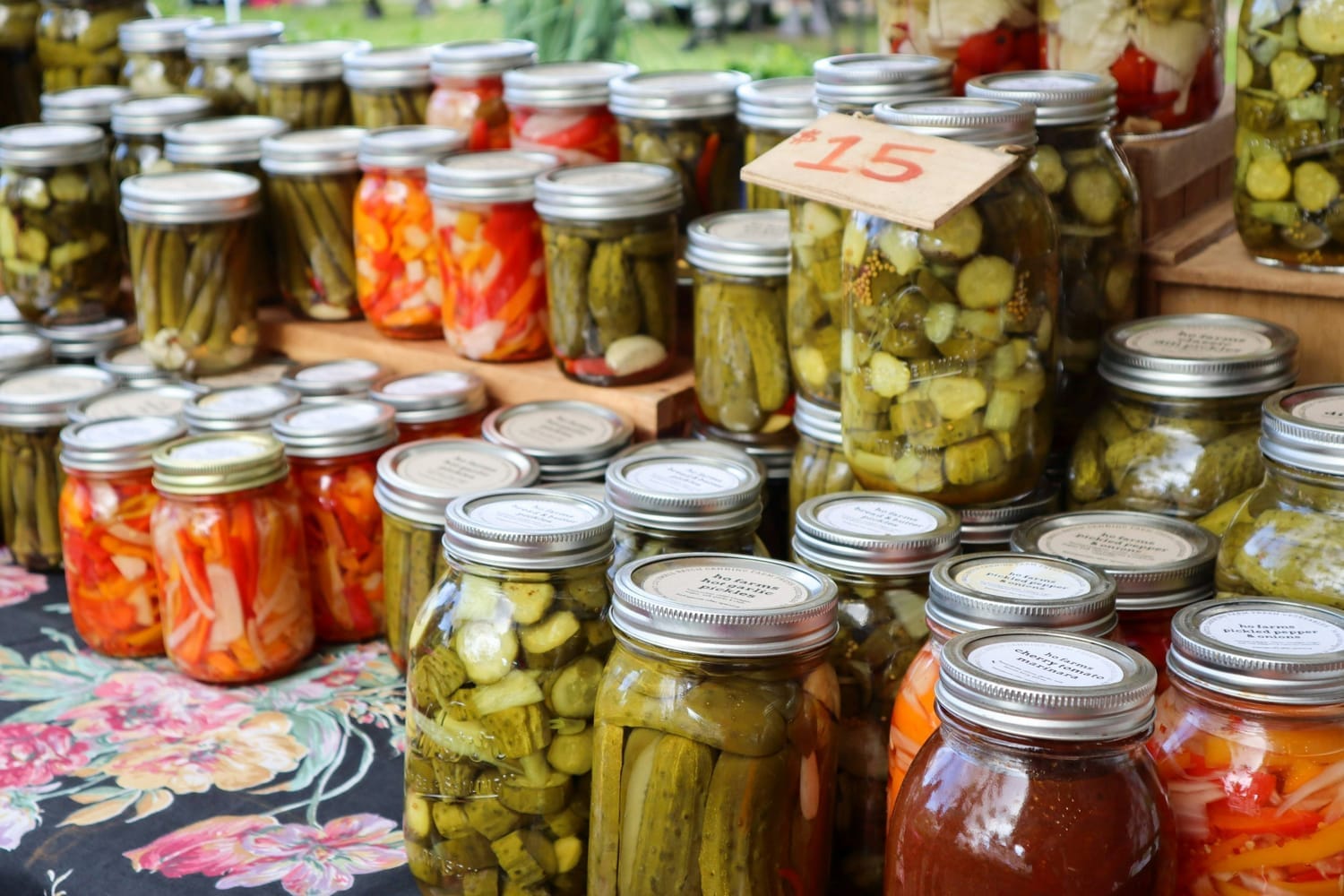
Your gut is more than just a digestion machine—it’s home to trillions of friendly bacteria that help keep you healthy in countless ways.
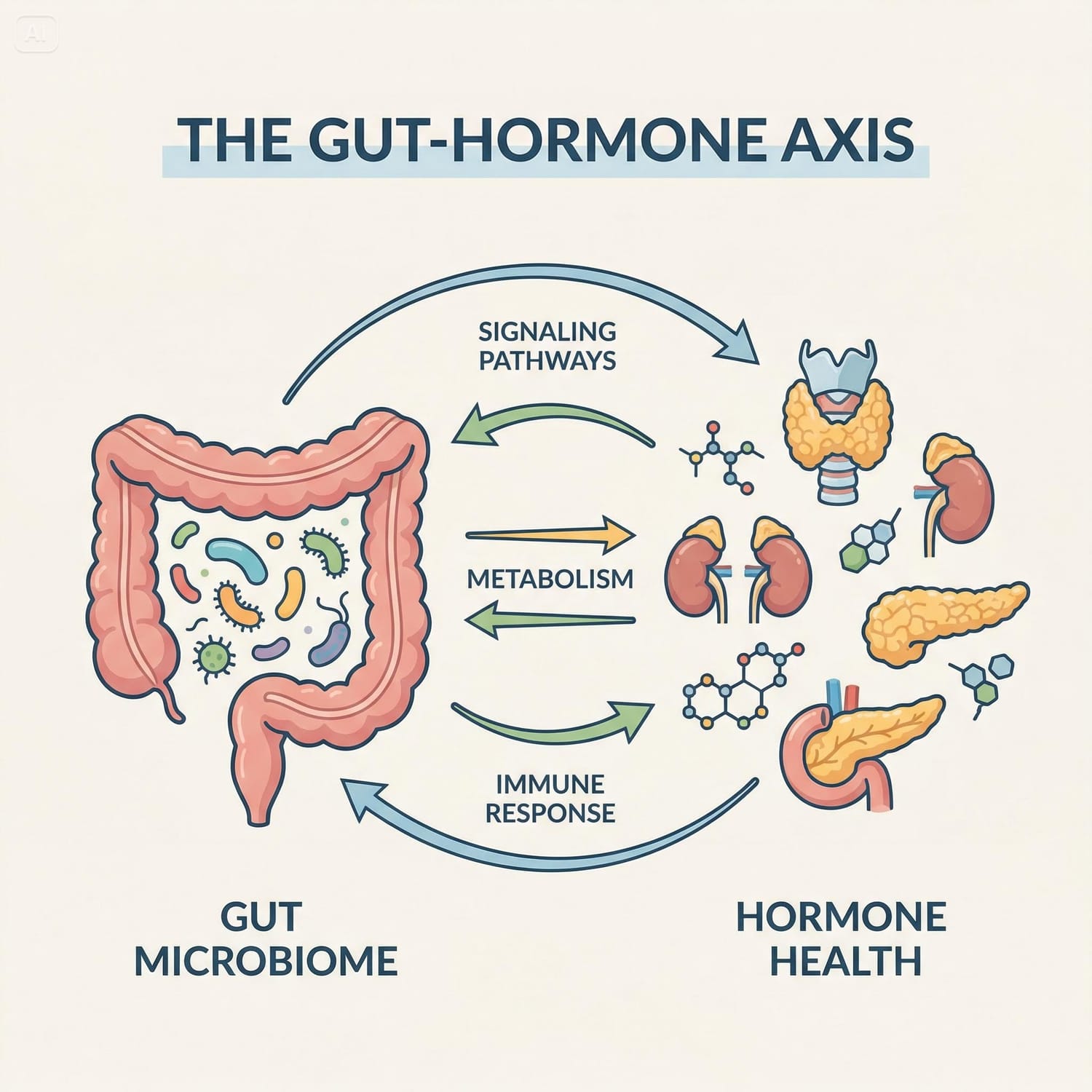
A balanced gut microbiome supports your immune system, helps absorb nutrients, influences your mood, and even affects your hormones. But modern diets, stress, and lifestyle can upset this balance, leading to digestive issues, inflammation, and feeling just “off.”
The good news? Certain foods can help heal, feed, and strengthen your gut. Here are five powerful foods backed by science that you can add to your daily routine for a happier, healthier gut.
You don't need a lot of fermented foods, just a variety say 4-7 different types of foods and small to moderate servings of each.
If you have histamine intolerance, some fermented foods are high in histamine so be sure to go for low histamine foods. More on this in our training series.
1. Yoghurt and Other Fermented Dairy
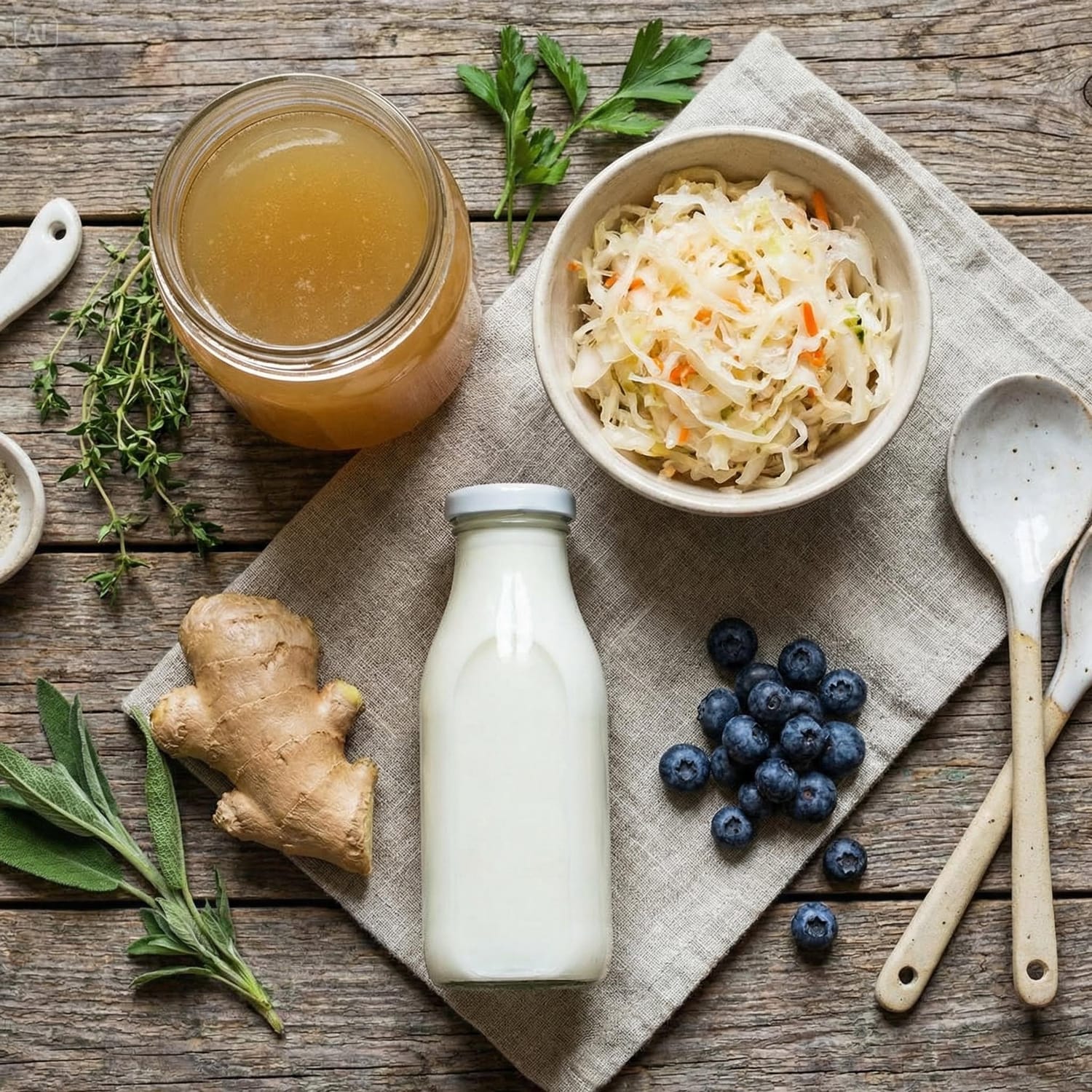
Yoghurt is a delicious, creamy source of probiotics—live beneficial bacteria that help balance your gut flora. Probiotics in yoghurt, especially strains like Lactobacillus and Bifidobacterium, have been shown to improve digestion, reduce bloating, and support immune health (Sanders et al., 2013).
How to use: Choose plain, unsweetened yoghurt with live cultures. You can also try kefir drink or kefir yoghurt, a fermented milk drink packed with around 12 strains (species of probiotics) to 65 strains of probiotics which has been used for thousands of years in eastern europe. If you can't take dairy, there's coconut kefir and yoghurt to try. Be sure to buy organic where possible to avoid extra hormones and antibiotics.
2. Kimchi and Sauerkraut (Fermented Vegetables)
Kimchi and sauerkraut are fermented veggies rich in probiotics and fiber (prebiotics), which also act as food for your good bacteria. These fermented foods help increase the diversity of your gut microbes, a key marker of gut health (Marco et al., 2017).
How to use: Add a small serving as a side dish or topping to your meals for a tasty gut boost. They are very easy to make so try making your own.
3. Prebiotic-Rich Foods (Garlic, Onions, Asparagus)
Prebiotics are types of fiber that your gut bacteria love to eat. Foods like garlic, onions, asparagus, and leeks contain prebiotics that nourish and stimulate the growth of beneficial microbes (Slavin, 2013).
How to use: Include these in cooking regularly—whether raw in salads or cooked in soups and stews.
4. Oats
Oats contain a special type of fiber called beta-glucan that feeds good bacteria and supports the growth of short-chain fatty acids, which protect your gut lining (Kelly et al., 2018). Eating oats can help reduce inflammation and improve bowel health.
How to use: Enjoy oatmeal for breakfast, make oat and chia seed puddings, or add oats to smoothies and baking.
5. Berries
Berries such as blueberries, strawberries, and raspberries are packed with fiber and antioxidants that promote gut health by feeding beneficial bacteria and reducing inflammation (Kumar et al., 2016).
How to use: Snack on fresh or frozen mixed berries, add them to yohgurt, or blend them into smoothies.
6. Bone Broth
Bone broth is rich in collagen, gelatin, and amino acids like glutamine—all of which help support the lining of your gut. These nutrients act like a soothing balm for the digestive tract, helping to repair and seal a leaky gut, reduce inflammation, and promote a healthy environment for beneficial bacteria to thrive. Sipping warm bone broth regularly can be a gentle, nourishing way to support gut healing from the inside out.
How to use: Be sure to cook with organic grass fed bones
Why These Foods Matter
Your gut microbiome thrives on diversity (there's over 1000 species that live in the gut) —the more different types of good bacteria, the better your gut health. By eating a mix of probiotic (live bacteria) and prebiotic (fiber that feeds bacteria) foods, you encourage a balanced ecosystem that supports digestion, immunity, and even mental well-being.
Final Tips
Start slowly: Add new gut-friendly foods gradually to avoid bloating or discomfort. Taking too much probiotics quickly can result in die-off reactions which is when the good bacterias
Choose whole, minimally processed foods.
Stay hydrated and manage stress, as these also impact gut health.
References
Sanders, M.E., et al. (2013). Probiotics and prebiotics in intestinal health and disease: from biology to the clinic. Nat Rev Gastroenterol Hepatol. https://pubmed.ncbi.nlm.nih.gov/23818542/
Marco, M.L., et al. (2017). Health benefits of fermented foods: microbiota and beyond. Curr Opin Biotechnol. https://pubmed.ncbi.nlm.nih.gov/28167610/
Slavin, J. (2013). Fiber and Prebiotics: Mechanisms and Health Benefits. Nutrients. https://pubmed.ncbi.nlm.nih.gov/23869711/
Kelly, G., et al. (2018). The role of beta-glucans in gut health. J Nutr Biochem. https://pubmed.ncbi.nlm.nih.gov/29438347/
Kumar, P., et al. (2016). Berries and Their Polyphenols: Role in Gut Microbiota and Inflammation. Nutrients. https://pubmed.ncbi.nlm.nih.gov/27231943/
Adding these gut-friendly foods can be a simple, delicious way to nurture your digestive system and overall health. Ready to feel better from the inside out? Start with these five and watch your gut—and your energy—thrive!
Here's a simple gut friendly recipe:
🥬 4. Kimchi & Avocado Lettuce Wraps
Ingredients:
Large romaine or butter lettuce leaves
½ avocado, sliced
¼ cup kimchi (raw, unpasteurized)
Protein of choice (e.g., shredded chicken, tofu, or smoked salmon)
Instructions:
Layer avocado, kimchi, and protein in a lettuce leaf.
Roll up and eat like a taco or wrap.
👉 Why it’s gut-friendly: Fermented kimchi provides live bacteria, and healthy fats in avocado help reduce inflammation.





Personalised nutrition for gut health, hormone balance and cancer support.


Get in touch
To get started, please get in touch with us via emailing ILEANA ....
or SMS +44 77 124 75 869
Built with systeme.io | Privacy policy | Legal | Terms and conditions