


Cancer Cachexia vs. Normal Weight Loss: A Simple Guide for Cancer Patients
Cancer Cachexia vs. Normal Weight Loss: A Simple Guide for Cancer Patients
Cancer cachexia is a severe wasting syndrome distinct from normal weight loss, characterized by involuntary loss of skeletal muscle and fat that cannot be fully reversed by nutrition alone, often driven by tumor-induced metabolic changes, inflammation, and increased energy expenditure.[1][2][4] Unlike simple weight loss from dieting or reduced calorie intake—which primarily targets fat and spares muscle—cancer cachexia prioritizes muscle breakdown (sarcopenia) even when eating adequately, affecting up to 80% of advanced cancer patients and contributing to one-third of cancer deaths.[1][6]
The prevalence of cachexia is inversely correlated with 5-year survival, indicating a tumor’s site-specific contribution [7]. Patients with lower body mass index (BMI) are at a higher risk of impacted quality of life and reduced survival when developing cancer cachexia compared to patients with a normal or high BMI [8].
You're not alone. This blog explains what it is, how to spot it, and simple steps to fight back using nutrition and lifestyle. Let's protect your strength.
Key Differences: Cancer Cachexia vs. Normal Weight Loss
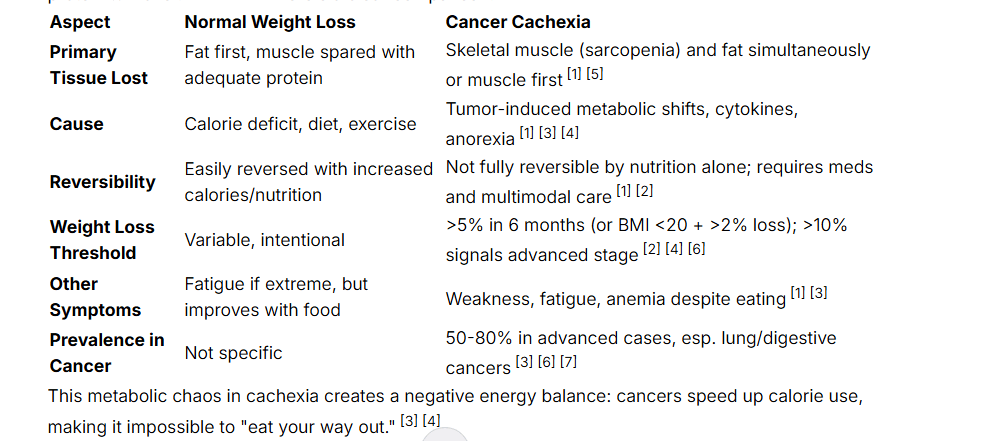
Normal weight loss occurs through calorie deficit, exercise, or illness recovery, typically losing fat first while preserving muscle if protein intake is sufficient.
In contrast, cancer cachexia involves hypermetabolism where the body rapidly breaks down proteins and fats due to cancer-related factors like cytokine release (e.g., inflammation from immune response), insulin resistance, and accelerated protein turnover.[1][2][3][4] Here's a clear comparison:
Stages of Cancer Cachexia: From Pre-Cachexia to Refractory
Cancer cachexia progresses in three stages, per consensus definitions:[1][2][4]
Pre-cachexia: Subtle weight loss (<5% over 6-12 months), appetite dip, early metabolic changes (e.g., insulin resistance). Most treatable here—interventions prevent progression.[1][2]
Cachexia: >5% weight loss (or BMI <20 + >2% loss), muscle wasting, fatigue, reduced strength. Functional impairment begins.[4][7]
Refractory Cachexia: >20% loss, BMI <27, frailty halting treatment. Survival is limited.[2]
Early detection in pre-cachexia is critical, as later stages resist standard nutrition.[1][7]
How Cancer Cachexia Is Diagnosed
Diagnosis combines clinical history, physical exams, and tests—no single lab confirms it, but criteria focus on unexplained muscle/fat loss excluding starvation.[4][6]
Weight History: >5% unintentional loss in 6 months (non-obese) or >2% with low BMI/muscle index.[2][4]
Body Composition Scans: DEXA, CT, or bioimpedance analysis measure muscle mass (e.g., appendicular skeletal muscle index: <7.26 kg/m² men, <5.45 kg/m² women).[4]
Blood Tests: Inflammatory markers (CRP, cytokines), albumin, anemia check.[3]
Functional Assessments: Grip strength, fatigue scales, 6-minute walk test.[7]
Doctors rule out other causes like malnutrition or treatment side effects.[1]
What Patients Can Do: Self-Monitoring for Early Warning Signs
Empower yourself with simple home tracking to catch pre-cachexia early and alert your oncologist:
Weekly Weigh-Ins: Track nude morning weight; flag >2-5% drop in a month.[2]
Muscle Checks: Measure arm/leg circumference (mid-bicep, thigh); note >5% loss. Use a tape measure consistently.[1]
Appetite/Fatigue Journal: Log meals, hunger levels, energy (1-10 scale). Persistent low appetite + weakness signals risk.[1][3]
Strength Tests: Time sit-to-stands (aim for 10 in 30 seconds); declining reps indicate sarcopenia.[7]
Photos & Clothes Fit: Visual changes or looser clothes despite stable diet.
Apps/Tools: Free BMI calculators or body comp scales (e.g., with BIA for fat/muscle %).
Share trends with your doctor—early action boosts outcomes.[1][6]
For personalized nutrition coaching and protocols, consider working with us at Metabolic Origins (www.metabolicorigins.com) see under services page.
Preventing and Managing Cachexia: Functional Medicine and Naturopathic Nutrition Strategies
While conventional care uses meds like anamorelin or IV nutrition for advanced cases,[1][2] functional medicine and naturopathic nutrition target root causes: inflammation, gut health, mitochondrial dysfunction, and nutrient deficiencies.
These integrative approaches, drawn from oncology nutrition experts, emphasize personalized, anti-inflammatory protocols to halt muscle catabolism and support metabolism.[6] (Note: Nutricia's oncology resources highlight high-protein oral supplements for energy needs, aligning with these strategies.)
Core Functional Medicine Principles:
Address the "why" of cachexia: tumor-driven cytokines spike inflammation, disrupting insulin signaling and protein synthesis.[2][3][4] Test for:
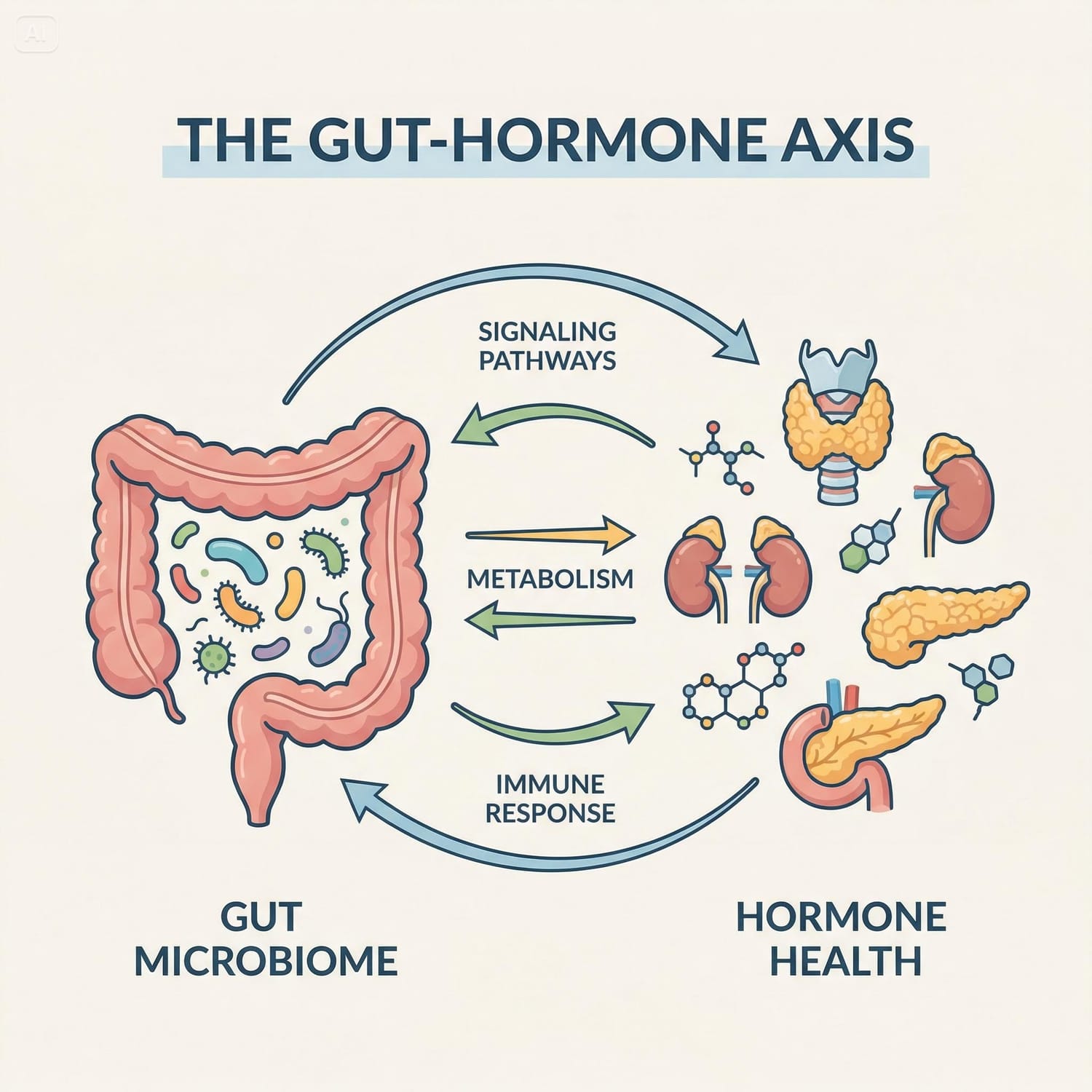
Gut Dysbiosis/Inflammation: Stool tests for microbiome imbalance; cancer treatments worsen leaky gut, fueling cytokines.
Nutrient Deficiencies: Check omega-3s, vitamin D, magnesium—low levels accelerate muscle loss.
Hormone/Metabolic Panels: Insulin resistance, cortisol elevation from stress.
Exercise lightly: Resistance training (bands, bodyweight) 2-3x/week preserves muscle.[7] Hydrate with electrolytes.
Evidence from Integrative Oncology studies support these: Omega-3s slow cachexia in non small cell lung cancer (NSCLC) trials; Mediterranean diets reduce inflammation.[6]
At Metabolic Origins, our cancer coaching integrates these with genetic testing and coaching for better adherence—preventing cachexia before it starts.
Why Act Now? Cachexia Steals Quality Life
Cachexia worsens fatigue, treatment tolerance, and survival—yet pre-cachexia is reversible with proactive steps.[1][7] Don't wait for >10% loss.[2] Partner with experts blending conventional and naturopathic care.
Ready to safeguard your strength? Book a cancer coaching session at www.metabolicorigins.com for your custom anti-cachexia plan.
Empower your fight—metabolism first.
If you'd like our FREE Naturopathic Nutrition Protocol to Prevent Cachexia, click the download free e-book link below.













Built with systeme.io | Privacy policy | Legal | Terms and conditions